

Electric cars are becoming a familiar sight on roads across the world, attracting drivers who want lower fuel costs and a cleaner way to travel. For many people, buying an electric vehicle is exciting, but the process can feel confusing at first. Unlike traditional cars that rely entirely on gasoline, electric vehicles operate using batteries and charging systems that require a different approach to ownership. First-time buyers often have questions about range, charging options, maintenance, and long-term costs. Understanding these aspects before making a purchase can help prevent disappointment and lead to a smarter decision. By learning the most important factors early, buyers can confidently choose an electric car that fits their lifestyle and driving habits.
Understanding Driving Range
 Driving range is one of the first things new electric car buyers should evaluate. Range refers to the distance a vehicle can travel on a full battery charge. Different models offer varying ranges depending on battery size and energy efficiency. Some electric cars are designed mainly for city commuting, while others support longer highway journeys. Buyers should think about their typical daily travel distance and choose a model capable of handling those needs comfortably. Climate conditions, driving speed, and use of air conditioning can also influence how far a vehicle travels before needing a recharge. Checking official range estimates and reading real driver experiences can help provide a more realistic idea of what to expect from an electric vehicle.
Charging Options and Availability
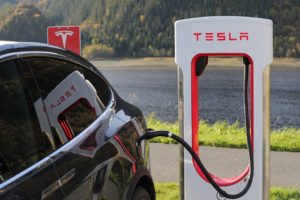
Charging an electric vehicle differs from refueling a gasoline car, and understanding available charging options is essential. Most electric cars can be charged in your home using a standard outlet or a faster home charging station. Charging stations for the public are also expanding in many cities and along major highways. These stations vary in charging speed, with some capable of restoring a significant portion of the battery within a short time. First-time buyers should consider whether they have access to convenient home charging and how often they might rely on public stations. Knowing where and how to charge the vehicle can make daily ownership much easier and reduce concerns about running out of battery power.
Battery Life and Replacement Costs
The battery is one of the most valuable components of an electric car, so understanding its lifespan is important. Most electric vehicle batteries are made to last many years and are supported by manufacturer warranties that usually cover eight years or more. Battery technology has improved significantly, allowing modern electric vehicles to retain strong performance over time. However, buyers should still review warranty details and learn about potential replacement costs after the warranty period. Taking care of the battery through responsible charging habits and avoiding extreme conditions can help extend its life. Knowing these details ahead of time helps buyers feel more comfortable with the long-term ownership of an electric vehicle.
Maintenance Differences Compared to Gas Cars

Electric vehicles generally require less maintenance than gasoline-powered cars because they have fewer moving parts. Traditional components such as oil filters, spark plugs, and exhaust systems are absent in electric vehicles. This means fewer routine service visits and lower maintenance expenses over time. However, electric cars still require regular checks for items such as tires, brakes, and cooling systems. Regenerative braking, a feature that recovers energy during braking, can also reduce wear on brake components. Understanding these maintenance differences allows first-time buyers to appreciate the potential savings and reduced service needs associated with electric vehicle ownership.
Total Cost of Ownership
While electric cars sometimes have a higher purchase price than comparable gasoline vehicles, the overall cost of ownership may be lower. Electricity typically costs less than gasoline, which means daily driving expenses can drop significantly. Government incentives, tax credits, or rebates may also reduce the initial purchase price in certain regions. Additionally, lower maintenance requirements can contribute to long-term savings. Buyers should compare fuel costs, maintenance expenses, and available incentives to understand the full financial picture. Evaluating the total cost of ownership provides a clearer view of how an electric vehicle fits into a household budget over several years.
Buying an electric car for the first time can feel unfamiliar, but understanding a few key factors makes the process much easier. Driving range, charging availability, battery lifespan, maintenance requirements, and total ownership cost all play important roles in the decision. By learning about these elements before purchasing, buyers can avoid confusion and select a vehicle that matches their daily driving needs. Electric vehicles offer practical advantages such as lower fuel expenses and reduced maintenance, making them an appealing option for many drivers. A well-informed decision allows first-time buyers to enjoy the benefits of electric transportation with greater confidence and fewer surprises along the way.




Comments are closed.